If Venezuelans have handed over their fate to others, they have little right to demand change. This reality became evident after the U.S. military operation that led to the capture of Nicolás Maduro and his wife Cilia Flores in the early hours of January 3, 2026.
After 26 years, attempts to capture the chavista leaders or to finally end this nightmare conceived by Hugo Chávez have been fruitless. The pain and damage inflicted upon society are immeasurable. It’s disheartening that some Venezuelans, after experiencing such a tragic historical episode, still cling to ideals that have failed.
The lies, omissions, and indifference towards genocide and corruption, analyzed by Alberto Moravia and recently cited by Dutch writer Rob Rimen, have caused immense harm to humanity. Venezuela is no exception, as it embodies the essence of the fascist spirit. This was true during the Holocaust faced by Israel, the effects of which are still present in the conflict with Palestinians; it also holds for Stephen Miller, who has fueled persecution against immigrants from the White House using SS-like tactics.
This indifference, as outlined by Rimen, creates lasting consequences and has turned society into the “epitome of evil and darkness.” People can create either beauty or destruction, demonstrating their capability for both great good and great harm. However, there are still spaces where doing the right thing and maintaining dignity are possible.
The widespread silence heard in Venezuela is not coincidental. After January 3, 2026, most expected more action, but all that resonates are the discussions on social media. Experts of every caliber emerge from nowhere, creating confusing conjectures for a public that was hoping for more.
It’s clear that 26 years in power have enabled chavismo to control state structures and its economic resources. They’ve established a client network with businesses while the general populace anxiously awaits bonuses that barely allow them to eat amidst runaway inflation dominated by the dollar.
This social indifference means that some sectors care little whether the situation changes or not. A university professor summed it up: after suffering for so long, it’s hard to criticize those who spend every weekend enjoying the beach or restaurants, indifferent to the struggles of their family members working hard abroad to provide them with a better quality of life.
The country has sacrificed itself by failing to take on the historical commitment to defend its democracy. Although flawed and exacerbated by political parties (mainly Acción Democrática and Copei), this period represented the highest progress, while civic culture remained stagnant, hindering meaningful processes like decentralization.
The inability of society to resolve its issues has led Venezuela toward choices where its sovereignty has been diluted in the wake of foreign interests that have done nothing to benefit it. This has happened with the complicity of military, politicians, businessmen, and unscrupulous Venezuelans who, even under external orders, have killed their fellow citizens.
After January 3, 2026, a wave of speculation arose, suggesting that chavismo, which controls state structures, is negotiating with Donald Trump’s government, focusing primarily on oil over democracy. Experts have explained the situation in various ways, but the general populace perceives no significant change.
Chavismo remains in power, controlling public life while corruption continues unchecked. Governors, mayors, public agencies, and banks that facilitated the looting and money laundering persist in their misconduct. Hence, there is an urgent need to legitimize their representatives in the National Assembly (AN) and all representative institutions, which have lacked legitimacy since the AN was annulled in 2015, as affirmed by Harvard professor Ricardo Hausmann in a recent statement criticized by some pro-Trump sectors.
Hausmann expresses his concern regarding what Trump’s government might do: “I don’t see Washington’s strategy for Venezuela as completely wrong, but I do consider it unpredictable. Donald Trump told the New York Times that the only limit to his actions overseas would be his own morality, not any international law. The problem with this is that if he does whatever he wants, his behavior is not predictable.”
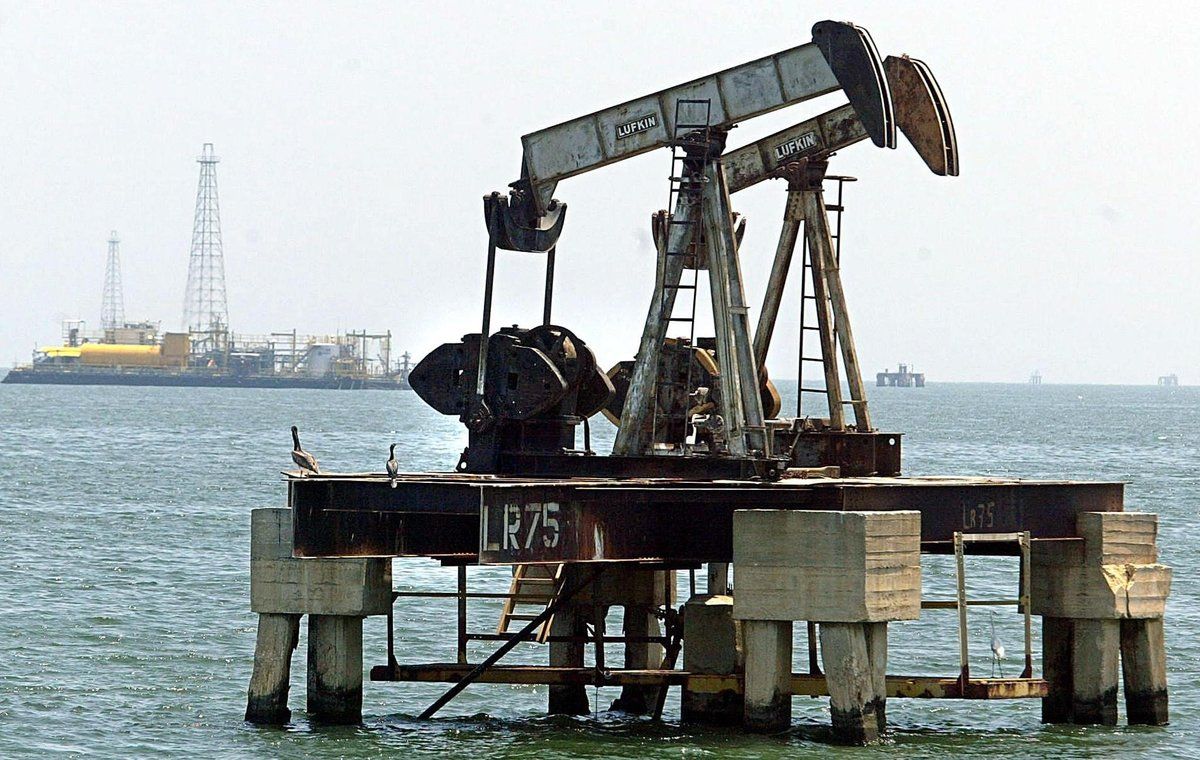
This variable is crucial and can only be overcome through “general elections” that grant legitimacy to a country navigating a turbulent sea of legal uncertainties that hinder oil investments, especially since industrial recovery plans must be implemented over the long term.
Uncertainty is the constant state for Venezuelans; it stems from the evident interest shown by Trump’s government in oil and other minerals, with the backing of the investment firm BlackRock (“They are the owners of the world”: BlackRock, the powerful investment fund seeking to control two key ports in the Panama Canal – BBC News Mundo), along with the ambitions expressed by Jorge and Delcy Rodríguez.
While nothing changes in the national territory, inflation continues its relentless course, speculation persists, and corruption has become an indifferent part of daily life. Arguments continue while the future remains in the hands of those who dared to act on January 3, 2026, and are now coming to collect the payback for their military mobilization.
As democracy awaits, experienced voices like Hausmann rightly call for a democratic path to legitimize a state that has lost its way due to chavismo, turning Venezuela into a country governed by a cabal of outlaws.
There’s a reason why major oil companies have approached Trump’s offer to invest in the oil business with caution, even if it includes changes to the Hydrocarbons Law, which will also be illegitimate. Hausmann states that “they want to enter a country with a rule of law.”