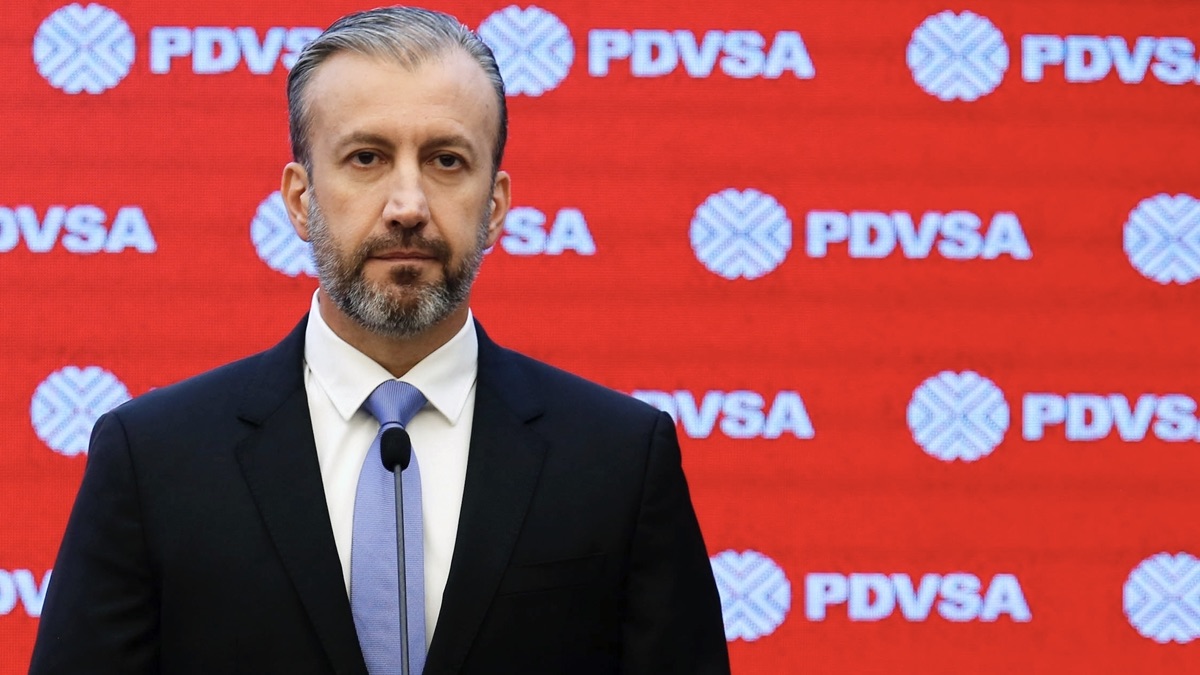
As the extent of the dark corruption schemes involving Venezuela’s powerful Oil Minister and Vice President, Tareck El Aissami Maddah, was revealed, the complexity of operations within the Chavista hierarchy from 2019 to 2023 became clearer. The damage inflicted on public assets is beyond measure, and those benefitting from these fraudulent transactions are evidently members of one of the groups that have held power since 1999.
So, why did El Aissami fall? Internal power struggles within Chavismo periodically cause implosions, where one faction displaces another. This had happened previously with the oil czar, Rafael Ramírez Carreño (2004-2013), a trusted ally of the eternal commander Hugo Chávez, who managed over $800 billion during his leadership at Petróleos de Venezuela (PDVSA) and now resides in a palace in Italy. It also occurred with Nicolás Maduro and his first lady, Cilia Flores.
In the basements of the three lavish mansions located in Contry Club, acquired by El Aissami, the administrative and financial logistics of the corruption network operated under the direct authorization of President Nicolás Maduro. The figures, operations, and complicity unveiled a high-tech system that involved cryptocurrencies, digital transactions, connections with complicit governments, banks, and tax havens, making any tracking almost impossible.
During El Aissami’s four years and the previous 22 years of Chavista governance, the looting of public funds is unfathomable and tracing capital and assets becomes a challenging task. In a digital financial ecosystem dominated by technology, rapid response times from programs and computers, global integration, power lust, consumerism, rampant egos, and the complicity between governments and bankers make the investigation and recovery of siphoned wealth an impossible endeavor.
Those who believe that simply a “magic wand” is needed to easily resolve the national situation are mistaken.
Firstly, the formal structure of the state is under Chavista control; this objective was easily achieved over 26 years, as Venezuela centralizes all power in managing its oil activities. Hugo Chávez understood this well, flooding all sectors and creating total dependence—a situation that, given the current winds, is unlikely to change and will continue to perpetuate its aberrations.
Secondly, the intentions of the United States government are to facilitate a transition process, their way, without violent traumas. They plan to do this with the cooperation of Chavismo led by the Rodríguez brothers and their accomplices (Diosdado Cabello, Padrino López, etc.). According to President Donald Trump and Secretary of State Marco Rubio, at this phase, stability is key for ensuring business, especially in oil, and only later will democracy come into play.
Thirdly, the democratic option has been relegated to the backburner as the military expenditure bill needs to be settled, prioritizing the activation of the oil sector. Thus, María Corina Machado, free and democratic elections, and the restoration of legality and institutionalism must be awaited. This poses a significant issue, as the legal, executive, and legislative framework is entirely illegal; since 2015, illegal decisions have been made, and oil investors are well aware of this.
Fourthly, seeking political stability in alliance with the Chavista elite led by the Rodríguez brothers, Diosdado, Padrino, and Tarek William Saab carries risks if they remain in power for an extended period. This could generate a “Stockholm syndrome,” prolonging their tenure and ensuring the impunity of their genocidal and corrupt nomenclature.
Fifthly, dismantling 26 years of political and economic control is no easy task. The current reality is evidenced by the Amnesty Law, proposed by those who perpetrated atrocities and human rights violations, now offering forgiveness to victims unjustly imprisoned for crimes they didn’t commit, as stated by released individual Juan Pablo Guanipa.
Sixthly, the imperialist history of the U.S. has not changed. Over its two centuries of republican history, its intentions and interests remain the same, though they have adjusted to changing times and contexts. Behind these intentions lies an economic machine that drives any military or diplomatic adventure. Therefore, all the military efforts to pressure Nicolás Maduro’s exit will come at a cost. That’s just how it will be.
Meanwhile, Venezuelans continue to dream of a “wealthy Venezuela thanks to oil,” envisioning streets paved with gold, as the gaita goes, ironically marked by deep social inequality and poverty, with cities adorned by belts of misery; a country with precarious health, education, and public service systems.
The national recovery process becomes more complicated, as opportunistic figures from civil society and traditional political parties, complicit in corruption and the deterioration of democracy, along with new leaders from diverse ideological movements who have profited from the crisis, remain active. There are also businessmen and bankers, complicit in Chavista looting, little inclined to see change.
Viewed in this light, the facets of the country’s transition are diverse, complex, and fraught with risks that will shape its future. Time will reveal the path, which, without a doubt, will continue to be marked by oil and foreign interests. In the meantime, Venezuelans will keep dreaming of golden-paved streets and “getting rich again,” while others rummage for scraps in the trash, hoping that the miraculous black gold will alter their fate.
Cupertino Flores